
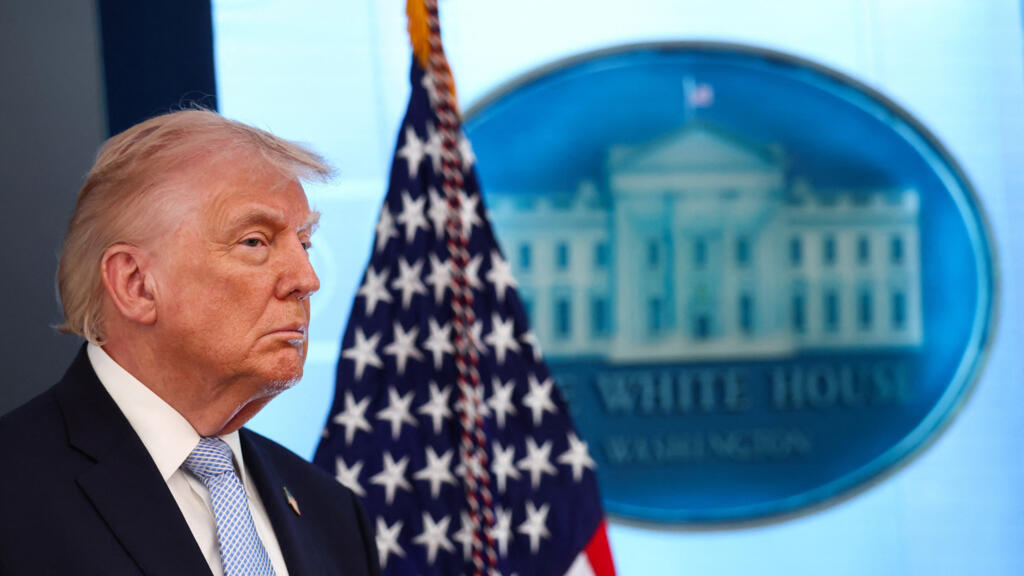
Just hours before a deadline that promised “the end of a civilization,” President Donald Trump took to Truth Social to deliver news that the world—and especially American drivers—had been praying for. In a sudden, eleventh-hour reversal, the United States has agreed to a two-week ceasefire with Iran, following a breakthrough mediated by Pakistan.
The deal isn’t just about stopping the bombers; it’s about the Strait of Hormuz reopening. For the average American, this isn’t just a win for diplomacy—it’s a potential win for the gas pump. After five weeks of skyrocketing fuel costs and global anxiety, we finally have a moment to breathe. But the question remains: is this a permanent off-ramp or just a temporary pause before a larger storm?
The Truth Social Post That Stopped a War (For Now)
The tension on Tuesday evening was palpable. With an 8:00 PM Eastern deadline looming, the rhetoric coming out of the White House was at an all-time high. Earlier in the day, Trump had warned that “a whole civilization will die tonight,” a statement that sent shockwaves through global markets and diplomatic circles alike.
However, at 6:32 PM, the narrative shifted. Trump announced that, at the request of Pakistan’s leadership, he would suspend the planned strikes for 14 days. The condition? The complete, immediate, and safe opening of the Strait of Hormuz.
This “double-sided ceasefire” suggests that the U.S. believes it has already achieved its primary military objectives. According to the President, Iran has presented a 10-point proposal that serves as a “workable basis” for long-term peace. While the specifics of those ten points remain under wraps, the immediate cessation of hostilities is a massive sigh of relief for a region that was on the verge of total collapse.
The Pakistan Factor: An Unexpected Mediator
One of the most surprising elements of this development is the role of Pakistan. While many expected a European or Middle Eastern power to bridge the gap, it was Prime Minister Shehbaz Sharif and Field Marshal Asim Munir who successfully lobbied Trump to “hold off the destructive force.”
This mediation highlights a shifting geopolitical landscape. Pakistan’s involvement likely provided Iran with a “face-saving” exit strategy while giving Trump a win that he could frame as a result of his “deal-making” prowess. By involving Pakistan, the U.S. may be looking to stabilize the region through unconventional channels that bypass the gridlock often found in the UN Security Council.
Why the Strait of Hormuz is the Real Prize
To understand why this ceasefire matters to you, you have to look at a map. The Strait of Hormuz is a narrow chokepoint through which 20% of the world’s oil and natural gas flows. When Iran choked off this traffic at the start of the conflict, the economic ripples were felt in every small town in America.
Lower Gas Prices on the Horizon?
Since the war began on February 28, gasoline prices in the U.S. have soared. Trump has faced immense pressure from his own base to bring costs down. The reopening of the Strait means:
- Restored Supply Chains: Tankers that have been sitting idle or taking long detours can finally move.
- Market Stability: Oil speculators, who thrive on uncertainty, will likely see the ceasefire as a reason to lower prices.
- Economic Relief: Lower energy costs lead to lower shipping costs, which could eventually cool down inflation on grocery shelves.
If the two-week window allows for a steady flow of oil, we might see a significant drop in prices at the pump by next week.
The Israel Wildcard: Will Netanyahu Honor the Pause?
While the U.S. and Iran have agreed to this 14-day window, a major question mark hangs over Jerusalem. Prime Minister Benjamin Netanyahu has been a vocal proponent of eliminating Iran’s nuclear capabilities.
Experts are divided on whether Israel will abide by a U.S.-led ceasefire. Historically, Israel has followed Washington’s lead, but this particular conflict has seen Israel take a much more aggressive, independent stance. If Israel continues strikes against Hezbollah in Lebanon or Iranian assets, the “double-sided” ceasefire could fall apart before the first week is up.
Trita Parsi of the Quincy Institute notes that Israel likely cannot sustain a full-scale war with Iran without active American support. If Trump wants this pause to hold, he will have to exert significant pressure on Netanyahu to ensure the “fuse” isn’t lit again by an ally.
A Look at the Costs: Five Weeks of Conflict
It is easy to get lost in the talk of “points” and “proposals,” but the human cost of the last five weeks is staggering.
- Human Life: Over 2,000 people have died in Iran, and dozens have been killed in Israel and the surrounding Gulf states.
- U.S. Casualties: The United States has lost 13 military members in this short span.
- Infrastructure: While Trump claims to have met military objectives, the civilian infrastructure in the region has taken a massive hit.
The two-week pause is a chance for humanitarian aid to reach those caught in the crossfire. In Tehran, crowds have gathered with a mix of celebration and skepticism. Many Iranians wonder if this is a genuine chance at peace or if the U.S. is simply “extending the deadline” for an eventual strike on their power grid.
Insight: Is This “Peace Through Strength” or a Strategic Retreat?
From an objective standpoint, this ceasefire feels like a strategic pivot. Trump’s “maximum pressure” campaign brought the world to the edge, and by pulling back at the last second, he has regained leverage over both Iran and his domestic critics.
However, two weeks is a very short time in the world of Middle Eastern diplomacy. Finalizing a “definitive agreement concerning long-term peace” in 14 days is an incredibly tall order. If the 10-point proposal doesn’t address Iran’s nuclear ambitions to the satisfaction of the U.S. and Israel, we could find ourselves right back where we were on Tuesday afternoon.
For now, the world watches the Strait of Hormuz. If the first tankers pass through safely, it will be the strongest signal yet that the “civilization” Trump spoke of might just survive after all.