
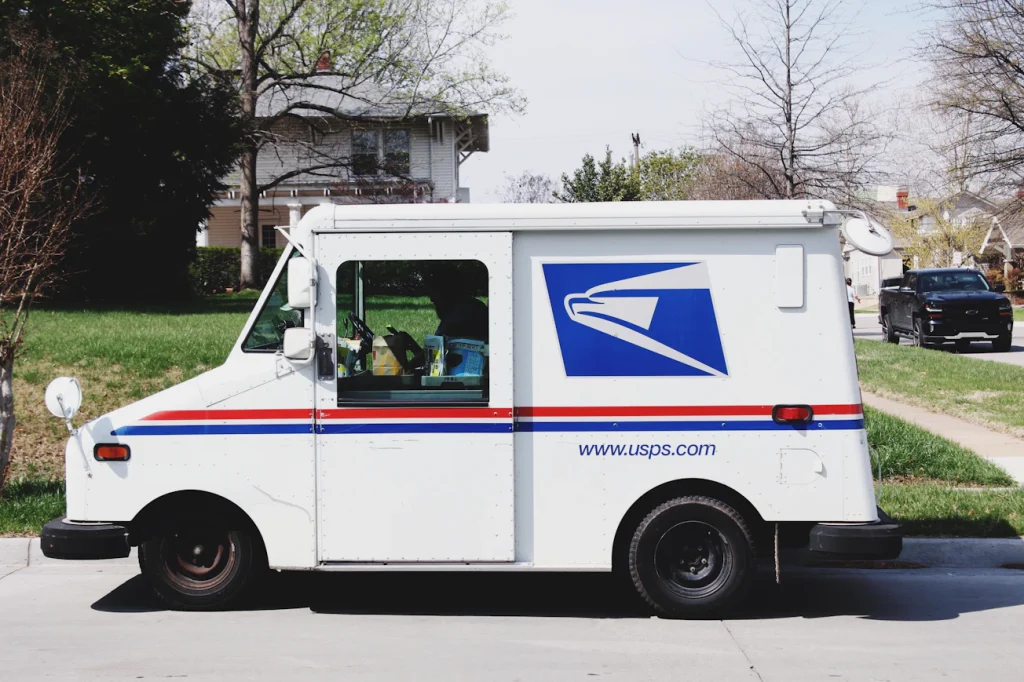
If you live anywhere in the United States, seeing a United States Postal Service truck pull up to your driveway to drop off that familiar, smiling Amazon box is an everyday occurrence. The partnership between these two massive entities has been the backbone of American e-commerce for years. However, behind closed doors, this dynamic logistics duo recently hit a massive roadblock that almost disrupted the entire delivery network as we know it.
After a highly tense period of negotiations that included threats of massive volume cuts, the two shipping giants have finally ironed out their differences. They have established a new Amazon and USPS delivery agreement that will keep the packages flowing, albeit with some significant structural changes.
While a tentative deal has been reached and a major shipping crisis averted, the logistics landscape in America is clearly shifting. Amazon is actively pulling back some of its volume to assert its independence, and the chronically underfunded Postal Service is desperately trying to figure out its actual market value in a highly competitive industry. So, what exactly is inside this new contract, why did it almost fall apart in the first place, and most importantly, how will it affect the packages waiting on your front porch?
The Core of the Tentative Logistics Deal
For several months, the relationship between Amazon, which happens to be the Postal Service’s absolute largest customer, and the USPS looked like it was heading toward a messy and highly publicized divorce. During a recent and controversial bidding process, the e-commerce giant threatened to drastically slash the number of packages it sends through the struggling federal agency by a staggering two-thirds by this coming fall.
Thankfully for both parties and for American consumers, cooler heads eventually prevailed. Under the new Amazon and USPS delivery agreement, the two sides have agreed to a much softer landing. Instead of implementing a devastating 66 percent cut, Amazon has agreed to a tentative 20 percent reduction in the package volume it routes through the Postal Service network.
Even with this 20 percent volume reduction, the sheer scale of this operation remains mind-boggling. The USPS is still guaranteed to deliver more than one billion packages for the Seattle-based tech giant every single year. It is important to note that the deal is not fully finalized just yet. It still requires a formal review and official approval from the Postal Regulatory Commission, which is the federal agency specifically tasked with overseeing the operations of the Postal Service.
An Amazon spokesperson recently stated that the company is pleased to reach a new arrangement that furthers their longstanding partnership, allowing them to continue supporting local communities together. But make no mistake, this was an incredibly tense negotiation born out of shifting business priorities and financial pressures on both sides.
A Financial Lifeline for the Postal Service
Even though the absolute worst-case scenario was avoided, the 20 percent reduction outlined in this new Amazon and USPS delivery agreement is going to leave a noticeable mark on the Postal Service’s already struggling balance sheet.
To understand why the stakes were so incredibly high for the federal agency, you have to look at the numbers. Last year, Amazon accounted for nearly 15 percent of all the packages the USPS delivered nationwide. That massive volume translated to roughly six billion dollars in guaranteed revenue for the Postal Service.
The USPS has notoriously operated at a loss for the better part of two decades. In fiscal year 2025 alone, the quasi-governmental agency reported a massive net loss of nine billion dollars. Losing one-fifth of its guaranteed Amazon volume means a significant dip in revenue, forcing the agency to scramble to find new ways to close its constantly widening budget deficit.
Why Did the E-Commerce Giant Threaten to Walk Away?
To comprehend why Amazon played such hardball and threatened to walk away entirely, you have to look at how the USPS recently attempted to alter its pricing model.
In December, the Postal Service introduced a brand-new bidding process specifically designed for its last-mile delivery service. According to Postmaster General David Steiner, this new bidding structure was implemented to help the agency determine the true, unfiltered market value of delivering packages that final, crucial stretch from a local sorting facility to a customer’s doorstep.
Amazon, a corporation famously known for fiercely optimizing every single aspect of its bottom line, immediately pushed back against these changes. Believing the new pricing terms were not in their favor, Amazon proposed the massive volume cut and quietly began reaching out to smaller, regional parcel carriers to see if they could absorb the sheer weight of their delivery network.
The turning point in the negotiations occurred when the USPS was forced to pivot back to the table. The bids the agency received from other third-party companies fell dramatically short of both the revenue and volume expectations they had set. Ultimately, the Postal Service realized a harsh truth: replacing Amazon’s massive, consistent daily volume is practically impossible in today’s highly fragmented shipping market.
The Rural Shipping Dilemma
If Amazon had actually followed through with its threat to cut two-thirds of its USPS volume, the biggest losers would not have been consumers living in dense cities like New York or Los Angeles. The real victims would have been shoppers residing in rural America.
While Amazon Logistics, the company’s robust in-house delivery network characterized by fleets of blue vans, has easily conquered major metropolitan areas, rural deliveries present a completely different logistical challenge. Driving miles down dirt roads between isolated houses simply is not a cost-effective business model for a private delivery company focused on profit margins.
The USPS, however, operates under a strict universal service mandate. The agency is legally required to deliver to every single physical address in the United States, six days a week, regardless of how incredibly remote that address might be. Because of this legal obligation, the Postal Service has naturally served as a vital, irreplaceable cog in Amazon’s rural shipping network. If Amazon had slashed its USPS volume so drastically, it would have been forced to scramble on incredibly short notice to figure out how to maintain its famous one- to two-day delivery speeds for millions of rural customers.
The Lingering Rivalry with FedEx and UPS
It is also vital to view this new agreement through the lens of Amazon’s historically complicated relationship with traditional private parcel carriers.
In its earlier days, Amazon relied heavily on both FedEx and the United Parcel Service to handle its vast shipping needs. However, as Amazon steadily built out its own massive global fleet of cargo planes, semi-trucks, and neighborhood delivery vans under the Amazon Logistics banner, it effectively transformed from a lucrative customer into a direct and dangerous competitor.
A few years ago, FedEx famously decided to stop delivering Amazon packages entirely. The company point-blank refused to help fuel the exponential growth of a direct logistics rival, though they have since resumed some very specific large-item deliveries. Similarly, UPS has actively scaled back its reliance on Amazon’s business, strategically choosing to focus its network on more profitable business-to-business transactions and specialized healthcare logistics rather than flooding its system with low-margin e-commerce boxes. Because both FedEx and UPS actively pulled back their services, the USPS became an even more critical, non-negotiable lifeline for Amazon’s entire last-mile operation.
What This Means for Everyday Online Shoppers
For the everyday American consumer who just wants their online purchases to arrive on time, the new Amazon and USPS delivery agreement is ultimately a very positive development. Above all else, this tentative deal provides much-needed stability to the broader e-commerce market.
If you live in a bustling city or a heavily populated suburb, you likely will not notice any major differences in your daily life. Your packages will seamlessly continue to arrive via Amazon’s own branded blue vans or your neighborhood mail carrier. If you live in a rural or remote area, you can finally breathe a sigh of relief. You can rest easy knowing that your fast, reliable Prime shipping speeds are not going to suddenly disappear overnight, as the USPS will continue handling the heavy lifting for those difficult last-mile deliveries.
You might eventually notice slightly fewer white USPS trucks delivering Amazon boxes in certain areas, paired with a slight uptick in Amazon-branded vans or regional carriers as the tech giant shifts that 20 percent volume elsewhere. Furthermore, while this specific deal stabilizes the immediate future, the ongoing financial struggles of the USPS mean that the overall cost of shipping packages across the United States is likely to continue its upward trajectory over the coming years.
Final Insight: A Mutually Beneficial Alliance
At the end of the day, delving into the intricacies of the new Amazon and USPS delivery agreement reveals one undeniable truth about the modern American economy. These two massive entities desperately need each other to survive and thrive.
Amazon absolutely needs the Postal Service’s unmatched, universal network to fulfill its rapid delivery promises to every single zip code in the country, especially the remote ones. Conversely, the United States Postal Service desperately needs the billions of dollars in guaranteed, daily volume that only an e-commerce titan like Amazon can consistently provide.
For now, that vital partnership is holding strong. Consumers can shop with confidence, knowing that billions of packages will continue flowing to front porches across the country without missing a single beat.