
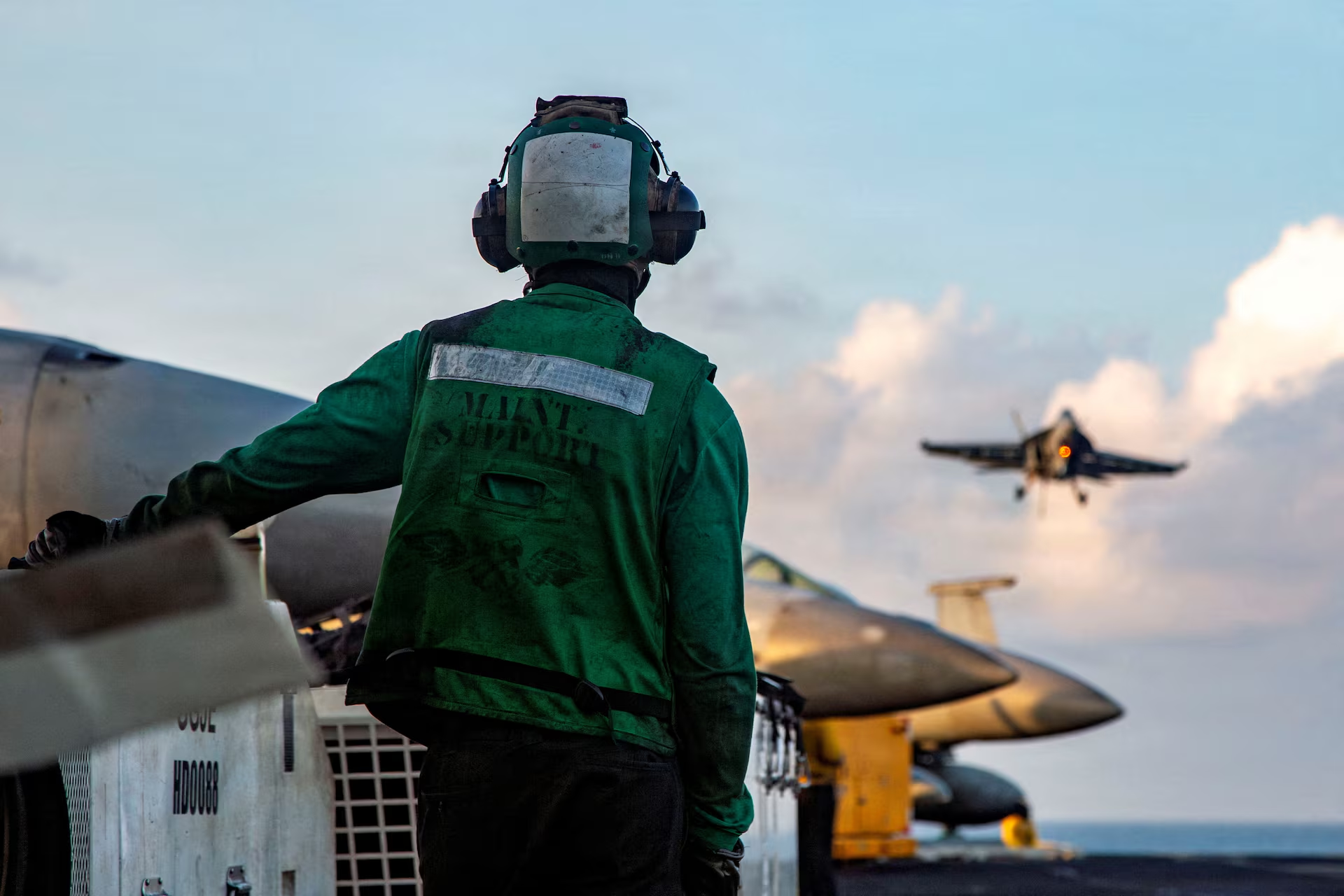
The silence of a downed pilot is often the loudest sound in Washington, and right now, that silence is deafening. As Operation Epic Fury grinds into its sixth exhausting week, the narrative of absolute air superiority has been punctured by the cold reality of a search and rescue mission currently unfolding in the rugged terrain of southwestern Iran. With one United States Air Force pilot missing behind enemy lines and the Iranian Revolutionary Guard Corps mobilizing for a capture, the stakes have transcended simple military tactics. This evolving crisis is no longer just a localized conflict; it has become a volatile catalyst for global energy market shifts, intense domestic political maneuvering ahead of the 2026 midterms, and a delicate diplomatic dance involving third-party mediation from Pakistan.
The Perilous Search and Rescue Mission in Southwestern Iran
The tactical situation on the ground remains incredibly fluid and dangerous. Following the downing of a two-seat U.S. F-15E Strike Eagle and an A-10 Warthog, the Pentagon confirmed that while some crew members have been successfully extracted, one American service member remains unaccounted for. This missing pilot has become the focal point of a massive mobilization by the Iranian Revolutionary Guard, who have turned the southwestern provinces into a high-intensity combat zone. Local Iranian officials have even gone so far as to offer public commendations for the capture or neutralization of what they call hostile enemy forces, turning the landscape into a gauntlet for any survival and evasion efforts.
For the military command and the defense contractors involved in supporting these operations, the legal and financial implications are immense. The specialized nature of these recovery missions involves high-risk assets and personnel, often necessitating complex liability insurance for defense contractors and specialized life insurance policies for military personnel. When an aircraft like the F-15E is lost, it is not merely a loss of hardware; it is a significant event that triggers massive reviews in military risk management protocols. The difficulty of the rescue is further exacerbated by the fact that Iranian ground fire has already damaged two Black Hawk helicopters attempting to reach the crash site, forcing them to retreat to safety and leaving the missing pilot in a precarious position.
The Pakistan Connection: A Glimmer of Diplomatic Hope
Amidst the smoke of burning petrochemical zones and the roar of F-16s, a small window for diplomacy has unexpectedly creaked open. Iranian Foreign Minister Abbas Araqchi recently signaled that Tehran has not entirely closed the door on peace negotiations, specifically mentioning Islamabad as a potential neutral ground for mediation. This development is a crucial shift in tone, suggesting that despite the fiery rhetoric from both sides, there is an underlying desire to avoid a total collapse of regional stability. However, the terms for such talks remain a significant hurdle, as Iran insists on a “conclusive and lasting end” to what they label an illegal war, rather than a mere temporary ceasefire.
Navigating these diplomatic waters requires the expertise of an international law attorney who understands the nuances of treaty obligations and the complexities of sovereign immunity. The role of Pakistan as a mediator is particularly strategic, given its historical ties to both Washington and Tehran. For the international community, the success of these potential talks could mean the difference between a controlled de-escalation and a wider regional conflagration that could draw in other global powers. The diplomatic pressure is mounting, as European finance ministers are already calling for windfall taxes on energy companies to combat the skyrocketing fuel prices caused by the ongoing hostilities.
Economic Shockwaves and Energy Sector Volatility
The financial impact of the search for the missing pilot and the broader conflict is being felt across the globe. Following recent threats from the White House to escalate the bombing campaign, benchmark U.S. crude prices saw a dramatic jump of eleven percent in a single day. This volatility is a nightmare for logistics companies and a significant driver of inflation for the average American consumer. For those looking at energy sector investment opportunities, the current climate is one of extreme risk and high reward, as the effective closure of the Strait of Hormuz remains a constant threat to the global supply of oil and liquefied natural gas.
Beyond the gas pump, the conflict is affecting commercial property insurance rates in urban centers like Dubai. Recent reports of debris from aerial interceptions damaging commercial buildings, including the regional offices of major American tech firms, have forced insurers to reassess the risk of doing business in the Gulf. This collateral damage is a stark reminder that modern warfare is rarely contained within a single border. Business owners in the region are increasingly seeking out specialized risk management services to protect their assets from the unpredictable fallout of missile defense systems and stray projectiles.
Nuclear Proximity and New Environmental Risks
Perhaps the most alarming development in recent days is the report of a projectile landing near the perimeter of Iran’s Bushehr nuclear plant. While Iranian officials claim the facility remains operational and safe, the incident has sparked a wave of anxiety regarding the potential for a catastrophic radiological event. The environmental litigation risks associated with a nuclear accident in the Gulf are unprecedented, as a leak would not only impact Tehran but could devastate the economies and ecosystems of neighboring Arab states. This threat has led to a renewed debate over the ethics of targeting infrastructure in close proximity to nuclear sites, with international watchdogs warning of the “Zaporizhzhia effect” occurring in the Middle East.
The legal fallout from such an event would likely involve complex personal injury lawsuits and environmental damage claims that could span decades. The proximity of the conflict to critical infrastructure like nuclear plants and petrochemical zones highlights the desperate need for a diplomatic resolution. As the hunt for the missing pilot continues, the risk of a miscalculation leading to an environmental disaster remains a primary concern for international observers and regional governments alike.
The Political Battlefield: Midterms and Cabinet Shake-ups
Back in the United States, the political pressure on the administration is reaching a breaking point. With the 2026 midterm elections fast approaching, the rising casualty count and the surge in energy prices are becoming significant liabilities for the ruling party. The removal of key administration officials and the rumors of a broader cabinet shake-up suggest a White House in search of a new strategy to regain public confidence. The American electorate, while initially supportive of a strong response, is becoming increasingly wary of a prolonged engagement with no clear exit strategy.
This domestic unrest is forcing the administration to balance its military goals with the pragmatic realities of voter sentiment. The outcome of the search for the missing pilot will likely have a profound impact on the upcoming elections. A successful rescue would provide a much-needed boost to morale and political standing, while a failure or a prolonged hostage situation could lead to a significant shift in the balance of power in Washington. As the administration weighs its next moves, the intersection of foreign policy and domestic politics has never been more apparent or more consequential.
Insight into the Road Ahead
The situation in Iran is a poignant reminder that the technology of modern warfare cannot fully erase the human element. The missing pilot represents the face of a conflict that has grown increasingly complex and costly. While the potential for peace talks through Pakistan offers a glimmer of hope, the road to a lasting resolution is paved with economic, legal, and political obstacles. The coming weeks will be a true test of leadership for both Washington and Tehran, as they navigate a landscape where every decision has global consequences. For the families of the service members involved and the millions affected by the economic fallout, the hope is that diplomacy can eventually silence the guns and bring the missing home.