
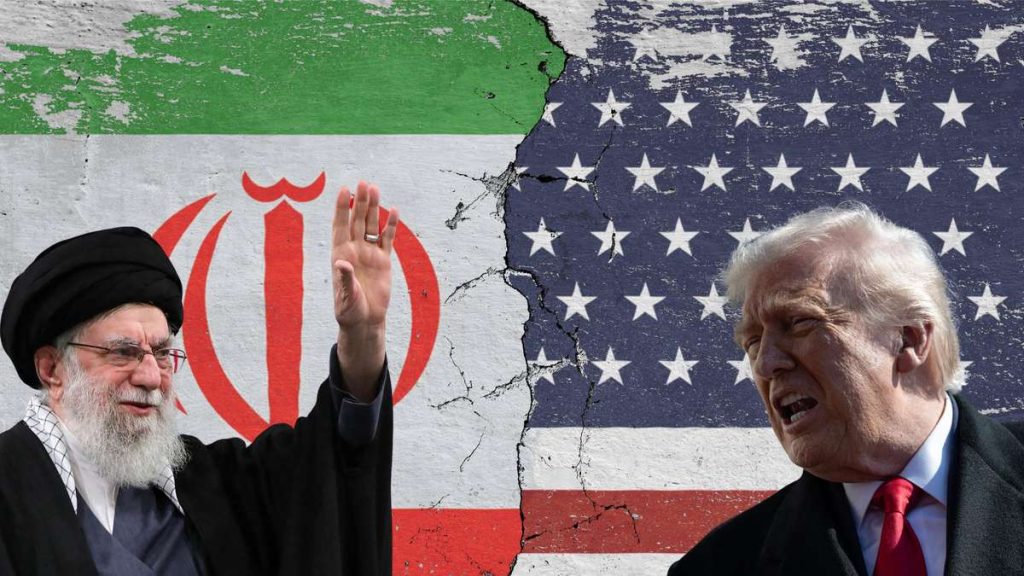
The geopolitical landscape of the Middle East is currently hanging by a thread, and the global economy is holding its collective breath. In a move that has sent shockwaves through international diplomatic circles, Iran rejects latest ceasefire proposal, choosing instead to hold out for a permanent resolution to the devastating conflict. This definitive refusal comes at an incredibly tense moment, arriving just hours before President Donald Trump’s strict ultimatum for Tehran to reopen the vital Strait of Hormuz is set to expire. With the threat of widespread destruction looming and gas prices spiraling out of control for the average American consumer, the stakes have literally never been higher.
The Core Reason Behind Tehran’s Rejection
To understand exactly why Iran rejects latest ceasefire proposal, we have to look at the specific terms that international mediators placed on the table. Representatives from Egypt, Pakistan, and Turkey had desperately tried to buy time by floating a 45-day pause in the fighting. This temporary truce was designed to allow a brief cooling-off period to facilitate the reopening of the Strait of Hormuz.
However, Tehran was quick to dismiss the offer. Iranian diplomats have made it abundantly clear that a mere temporary halt is entirely off the table. Mojtaba Ferdousi Pour, the head of the Iranian diplomatic mission in Cairo, stated unequivocally that Tehran will only accept a comprehensive end to the war, coupled with ironclad guarantees against any future attacks. This hardline stance indicates that Iranian leadership views a temporary pause as a major strategic disadvantage. From their perspective, a 45-day truce would simply allow the United States and Israel to regroup, all while Iran would be forced to relinquish its only real leverage: its blockade of the world’s most critical oil transit route.
President Trump’s Looming Deadline and Global Economic Panic
The backdrop to this diplomatic stalemate is a fiercely ticking clock set by the White House. President Trump has drawn a very clear line in the sand regarding the Strait of Hormuz. In peacetime, roughly a fifth of all global oil shipments pass through this narrow waterway. Iran’s current stranglehold on the strait has practically paralyzed international shipping, with commercial traffic plummeting by more than ninety percent compared to this time last year.
Back in the United States, the economy is feeling the intense pressure. American consumers are growing increasingly anxious over surging energy costs at the pump. Brent crude oil, the international standard, recently spiked to one hundred and nine dollars a barrel, marking a massive fifty percent increase since the conflict first ignited. In response to this severe economic threat, President Trump delivered a stark public warning, threatening to bomb the country back to the stone ages if a deal to reopen the strait is not reached shortly. When asked by reporters at a White House Easter event if his Tuesday evening deadline was absolutely final, the President offered a simple and chilling confirmation.
How the Strait of Hormuz Dictates the Timeline
The Strait of Hormuz is the ultimate wildcard in this war. While Iranian and Omani officials are reportedly trying to quietly work out a mechanism for administrating the shipping chokepoint, the progress is painfully slow. Former Iranian foreign minister Ali Akbar Velayati took to social media to urge Arab nations to discourage the US from striking power plants, warning that the entire region would go dark if Washington follows through on its threats.
Escalating Strikes: Israel Targets Key Iranian Infrastructure
Complicating the fragile peace process even further is the relentless wave of military strikes echoing across the region. Just as the world learned that Iran rejects latest ceasefire proposal, Israel launched a massive offensive against a critical petrochemical plant within Iran’s South Pars natural gas field. This massive facility, which Iran shares with Qatar, serves as a vital artery for the nation’s electricity production and revenue generation. Israeli officials bluntly stated that the goal was to eliminate a major financial resource for Tehran, completely independent of the looming US ultimatum.
The Israeli military did not stop at energy infrastructure. They have aggressively targeted high-ranking Iranian military personnel, successfully eliminating Major General Majid Khademi, the head of intelligence for the paramilitary Revolutionary Guard, alongside Asghar Bakeri, a key leader of the Quds Force undercover unit. Israeli Defense Minister Israel Katz has publicly vowed to continue hunting down top officials one by one, signaling that the military campaign will not slow down to accommodate back-channel diplomatic negotiations.
A Region Held Hostage by Retaliation
The destruction inside Iran is becoming increasingly severe. Israeli forces conducted heavy overnight strikes on three major Tehran airports, destroying dozens of helicopters and aircraft belonging to the Iranian Air Force. Even academic institutions are caught in the crossfire. An information and communication technology building at Tehran’s prestigious Sharif University of Technology—often referred to as the MIT of Iran—was recently hit by a direct airstrike. Ordinary citizens in Tehran report living under the constant, terrifying soundtrack of bombs, air defenses, and low-flying drones.
The fallout from this conflict is bleeding far beyond Iran’s borders, pulling the entire Middle East into the chaos. In retaliation for the heavy bombardment, Iran has maintained relentless pressure on its Gulf neighbors. Kuwait, the United Arab Emirates, and Saudi Arabia have all been forced to activate their air defense systems to intercept incoming Iranian missiles aimed at their own energy infrastructure. Inside Israel, the northern city of Haifa recently suffered a devastating hit on a residential building, and Lebanon is enduring immense suffering as Israel pursues a ground invasion targeting the Iran-backed Hezbollah militia.
Conclusion: What Happens When the Clock Runs Out?
As the Tuesday evening deadline rapidly approaches, the world is forced to simply watch and wait. The reality that Iran rejects latest ceasefire proposal showcases a highly dangerous game of geopolitical chicken where neither side is willing to blink first. Tehran is betting that the severe global economic pain caused by the closed Strait of Hormuz will ultimately force Washington to guarantee their long-term safety. Conversely, the United States and Israel are betting that overwhelming military force will crush Iran’s ability to resist. Unfortunately, strict ultimatums and unyielding demands rarely pave the way for sudden peace. Unless a miraculous last-minute diplomatic breakthrough occurs, this rejection likely sets the stage for a dramatic escalation that will reshape the Middle East for generations to come.