
Global energy markets are currently on high alert as escalating geopolitical tensions threaten one of the world’s most vital maritime routes. With recent ultimatums issued by the US administration demanding an end to the de facto closure of the Strait of Hormuz, analysts are scrambling to model the economic fallout. When conflict involves major oil infrastructure—such as the recent military strikes on Iran’s Kharg Island export terminal—the uncertainty instantly spills over into financial markets. For everyday consumers and investors alike, understanding the impact of a Strait of Hormuz blockade on oil prices is essential for navigating the weeks and months ahead.
Rather than focusing solely on the day-to-day political rhetoric, this article breaks down the underlying market mechanics, the vulnerabilities in the global supply chain, and what a prolonged disruption means for the global economy.
Why the Strait of Hormuz is the World’s Ultimate Energy Chokepoint
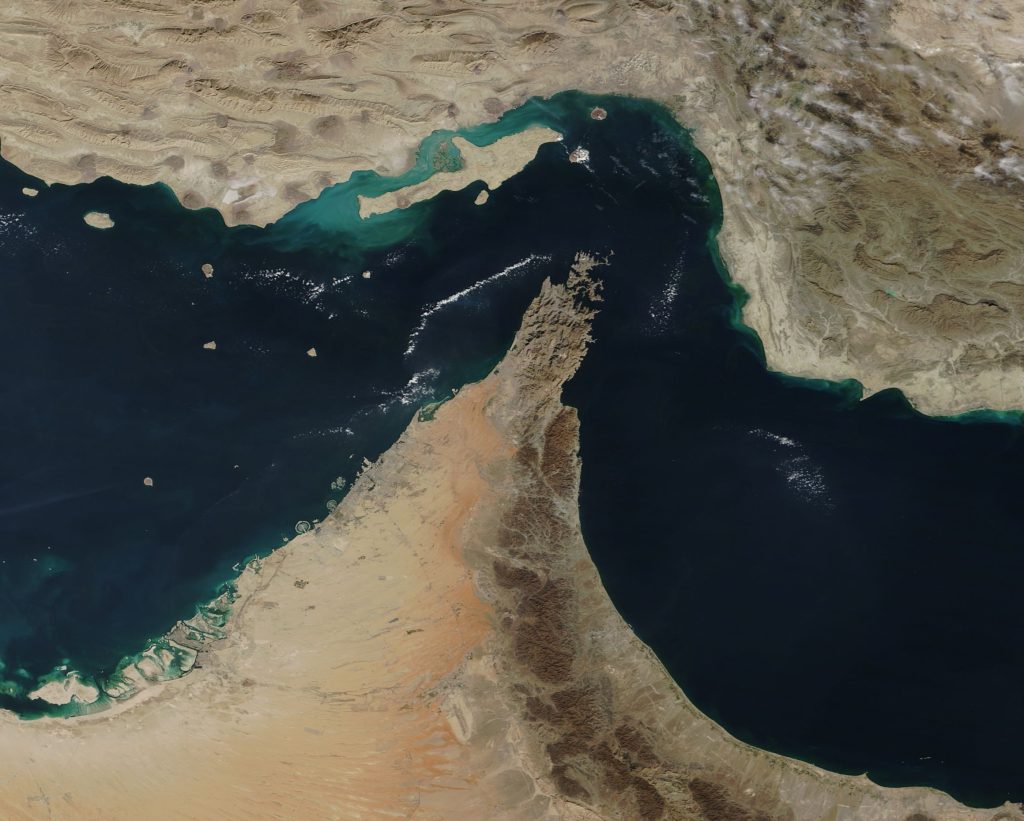
To understand the severity of the current crisis, one must first look at the geography and economics of the Strait of Hormuz. Located between Oman and Iran, this narrow waterway connects the Persian Gulf to the Gulf of Oman and the Arabian Sea.
It is not an exaggeration to call it the most critical chokepoint for the global energy trade. According to the U.S. Energy Information Administration, roughly 20% to 30% of the world’s total global oil consumption passes through this strait on any given day. That equates to roughly 21 million barrels of crude oil, condensate, and refined petroleum products moving through the channel daily.
Unlike other shipping lanes, there are very few viable alternatives to the Strait of Hormuz. While some pipelines exist that can bypass the strait—such as Saudi Arabia’s East-West Pipeline—their combined capacity is only a fraction of what tanker ships carry through the waterway. When this route is threatened or shut down, the global energy supply is immediately and severely bottlenecked.
The Direct Impact of a Strait of Hormuz Blockade on Oil Prices
When markets face the reality of a compromised Strait of Hormuz, the reaction is rarely gradual. The immediate impact of a Strait of Hormuz blockade on oil prices is characterized by intense price spikes driven by panic buying and supply insecurity.
Here is how a blockade typically impacts the energy sector:
- Immediate Crude Price Surges: The moment a blockade is enforced or deemed highly likely, Brent Crude and West Texas Intermediate (WTI) benchmarks can surge anywhere from 15% to 30% overnight. Traders price in the “risk premium” of lost barrels immediately.
- Refinery Bottlenecks: Refineries in Asia, Europe, and the US that rely on Middle Eastern crude are forced to draw from their reserves or bid aggressively for alternative sources, driving up the cost of non-Middle Eastern oil.
- Insurance Premium Hikes: Even if some ships attempt the crossing, maritime insurance rates for vessels operating in the Persian Gulf skyrocket. These massive operational costs are directly passed on to the buyer, further inflating the price per barrel.
Ripple Effects Across the US Economy
While the US produces a massive amount of its own crude oil, oil is a globally priced commodity. A disruption halfway across the world inevitably hits the American consumer.
If crude prices soar due to Middle Eastern supply chain failures, US drivers will see a rapid increase in gas prices at the pump. This, in turn, fuels broader inflation. Everything from the cost of transporting groceries to manufacturing consumer goods relies on energy. When transportation costs rise, businesses pass those expenses onto the consumer, forcing central banks to rethink interest rate policies and economic growth projections.
Market Insight: How Energy Markets are Pricing in the US-Iran Conflict
Currently, energy markets are attempting to price in a worst-case scenario: severe damage to civilian and energy infrastructure, including major power plants and the Kharg Island terminal, combined with a total shipping halt.
From an analytical standpoint, the market is weighing two massive opposing forces. On one side is the threat of an immediate supply shock caused by the blockade. On the other side is the potential release of strategic reserves. The US Strategic Petroleum Reserve (SPR) and spare capacity from other OPEC+ nations are the primary tools available to cushion the blow. However, tapping into reserves is a temporary fix.
The true insight here is that markets are not just reacting to a temporary pause in shipping; they are reacting to the destruction of infrastructure. If loading terminals, bridges, and power grids in the region face the devastation currently being threatened, the supply disruption shifts from a temporary logistical headache to a long-term structural deficit. This is why long-term futures contracts for crude oil are seeing elevated risk premiums.
Can the Global Supply Chain Survive an Extended Closure?
An extended closure of the Strait of Hormuz goes far beyond just the price of gasoline. It would trigger a cascade of disruptions across various interconnected global industries:
- Liquefied Natural Gas (LNG): Qatar, one of the world’s largest exporters of LNG, sends nearly all of its exports through the Strait. A blockade would trigger a massive natural gas shortage, particularly in European and Asian markets, leading to soaring heating and electricity costs.
- Petrochemicals: The raw materials used to make plastics, synthetic fibers, and industrial chemicals rely heavily on Middle Eastern feedstock. A disruption here halts manufacturing lines globally.
- Agriculture: High energy prices mean high fertilizer prices. The cost of food production would rise dramatically, threatening global food security and driving up grocery bills worldwide.
Conclusion
The escalating tensions and looming deadlines in the Middle East present a profound risk to global economic stability. The impact of a Strait of Hormuz blockade on oil prices cannot be overstated; it is the linchpin of global energy logistics. Whether the current crisis ends in a diplomatic breakthrough or a prolonged military conflict, the fragility of the world’s reliance on this single narrow waterway has never been more apparent. For businesses, investors, and consumers, preparing for sustained volatility in energy and commodity markets is no longer just an option—it is an economic necessity.
Frequently Asked Questions (FAQ)
What percentage of the world’s oil goes through the Strait of Hormuz? Approximately 20% to 30% of the world’s total global oil consumption passes through the Strait of Hormuz daily, making it the most important oil transit chokepoint in the world.
Can oil ships just bypass the Strait of Hormuz? Bypassing the strait is incredibly difficult. While there are a few overland pipelines in Saudi Arabia and the UAE that can transport some oil to the Red Sea or the Gulf of Oman, their maximum capacity can only handle a small fraction of the volume that typically moves by tanker.
How quickly would US gas prices rise if the strait is blocked? Because oil is traded on a global commodities market, futures prices would spike immediately. Consumers in the US could see significant price increases at the gas pump within days to a couple of weeks as the higher cost of crude works its way through the refining and distribution supply chain.